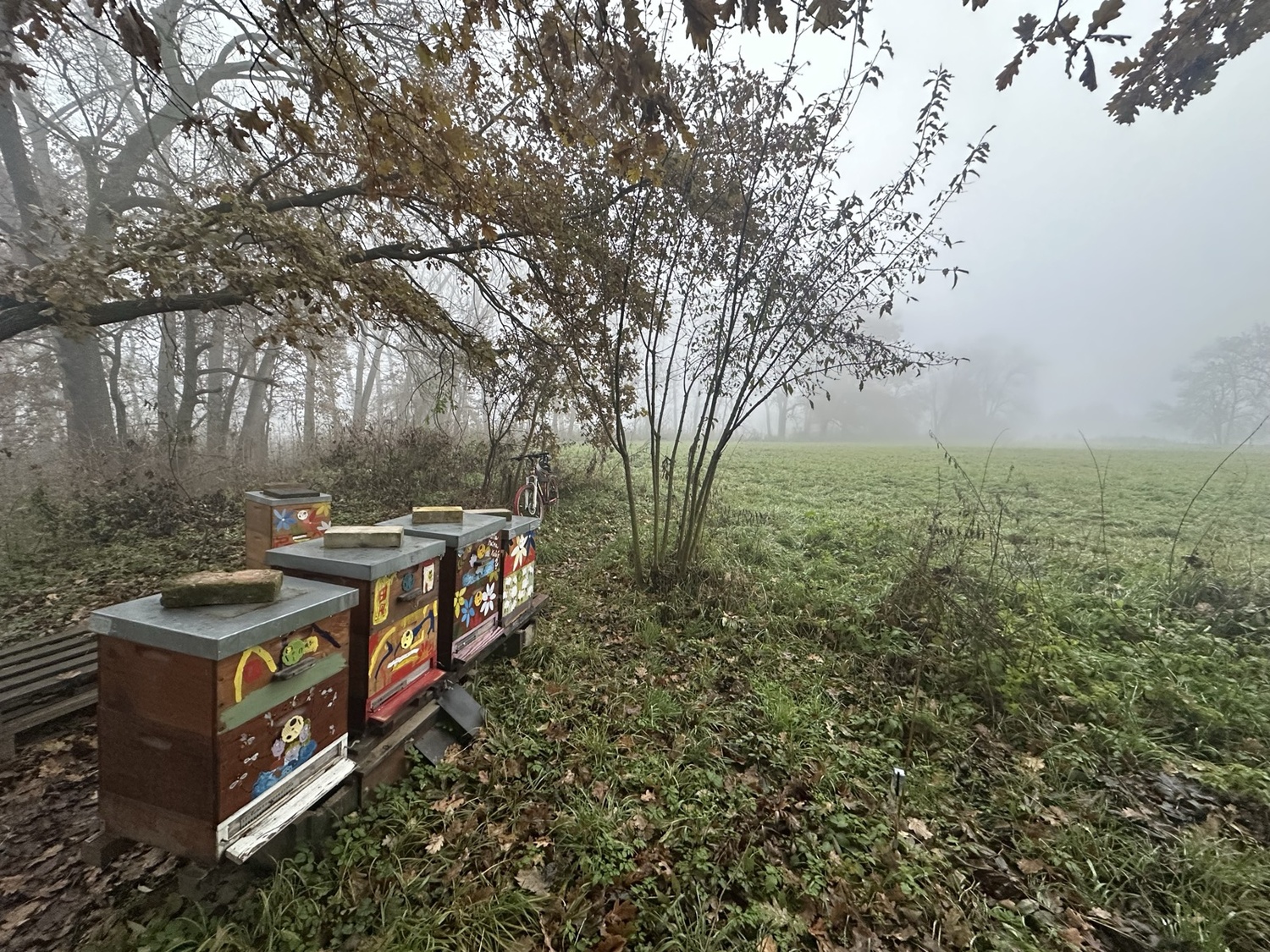
In the morning, the snow crunches underfoot, a fine steam rises from the hives, and the apiary looks almost motionless. At the moment when everything is quiet, one thing every beekeeper deals with in February comes up: the deadline for submitting the winter debris and what exactly the lab numbers mean. The winter debris is not just paper for the binder – it is the first proper signal of how many varroa mites survived the winter and how cautious we should be with the spring.
The good news is that you can make sense of it. Most problems don’t arise in the lab but during collection or when someone overestimates the results. In this article, we’ll go step by step through the usual deadline for submitting winter debris, how to collect it properly, how to read the protocol, and what to do next. February is definitely not a quiet month, so we’ll also look at what beekeepers most often deal with in practice. Beentry’s data for February over several years include over 5,400 inspections and a total of over 145,000 records from hive checks. Sometimes it’s not obvious at first glance, but the quiet at the apiary is often deceptive.
Deadline for submitting winter debris: usually by mid-February
Simply put, in the Czech Republic, winter debris is usually submitted in February, mostly by the 15th. But this is not a fixed rule. Always follow the instructions of your organization, the laboratory, and local veterinary authorities. The State Veterinary Administration has its own methodology and considers winter debris part of the varroa control, but collection arrangements may vary.
Why so early? Because you want to capture the winter drop of varroa mites when it makes sense. If you collect too late, bees will start cleaning, brood will appear, and spring activity increases, which scatters the results. Conversely, if you collect immediately after treatment, the result may be distorted by treatment fallout. Experience shows that it’s best to leave at least a month between treatment and collection and avoid unnecessary disturbance that could stimulate debris.
February is also a busy month. Bees begin to bring pollen, you check winter flights, stores, and somewhere you add fondant... Beentry’s data confirm this: the most frequent February activities are fondant feeding, work with storage frames, recording pollen collection, queen monitoring, winter flights, inspection of occupied spaces between frames, and more. In this rush, winter debris often takes a back seat, which of course causes regret later.
My advice? Don’t postpone it and note the collection deadline as carefully as the last autumn treatment. Those who have it in their calendar have peace in February. Those who say they’ll do it later tend to catch up in spring when one timely collection would have sufficed.

How to properly collect, dry, and label winter debris
Small details affect the results too – a damp bag, a wrong label, or mixed samples where they don’t belong. Before digging into the debris, find out whether your lab wants a separate sample from each hive or a mixed one from all. This is a common trap, because once mixed incorrectly, you can’t undo it.
You can manage the collection in five steps:
- Check the tray. It must be dry and representative. If it’s wet, moldy, or flooded, the results will be skewed.
- Collect fine debris, not trash. Pieces of wax, dead bees, wood, or rodent leftovers don’t belong in the sample. The lab can handle some contamination, but it unnecessarily complicates things.
- Let the debris dry thoroughly. A paper bag or box is best, never a plastic bag full of moisture – it will mold quickly.
- Label the sample clearly. Add your name, apiary location, number of colonies in the sample, hive numbers, and the collection date. An unreadable label is useless.
- Deliver the sample as soon as possible. Don’t leave it for a week in the car or on the windowsill – that’s a recipe for disaster. Fresh and dry is essential.
Dietemann and colleagues from COLOSS BEEBOOK emphasize that winter debris is only useful if the collection is done properly. Otherwise, you compare incomparable data. If you take one sample after 20 days and another after 45, or leave the bottom board open once and closed another time, the results sound scientific but mean something entirely different in practice.
Digital records help a lot. In Beentry, you save the last treatment at the apiary, date of collection, add a voice note or photo of the label – a small thing but invaluable with gloves and in winter. For example, I always dictate: “site forest, eight colonies, winter debris collection, mixed sample” and just check it at home. Today, Beentry holds over 145,000 inspection records, and it’s clear that beekeepers record everything: from stores and feeding to frame sizes, treatments, and interventions. These details give laboratory data context.
How to read the winter debris result: the number is important but not everything
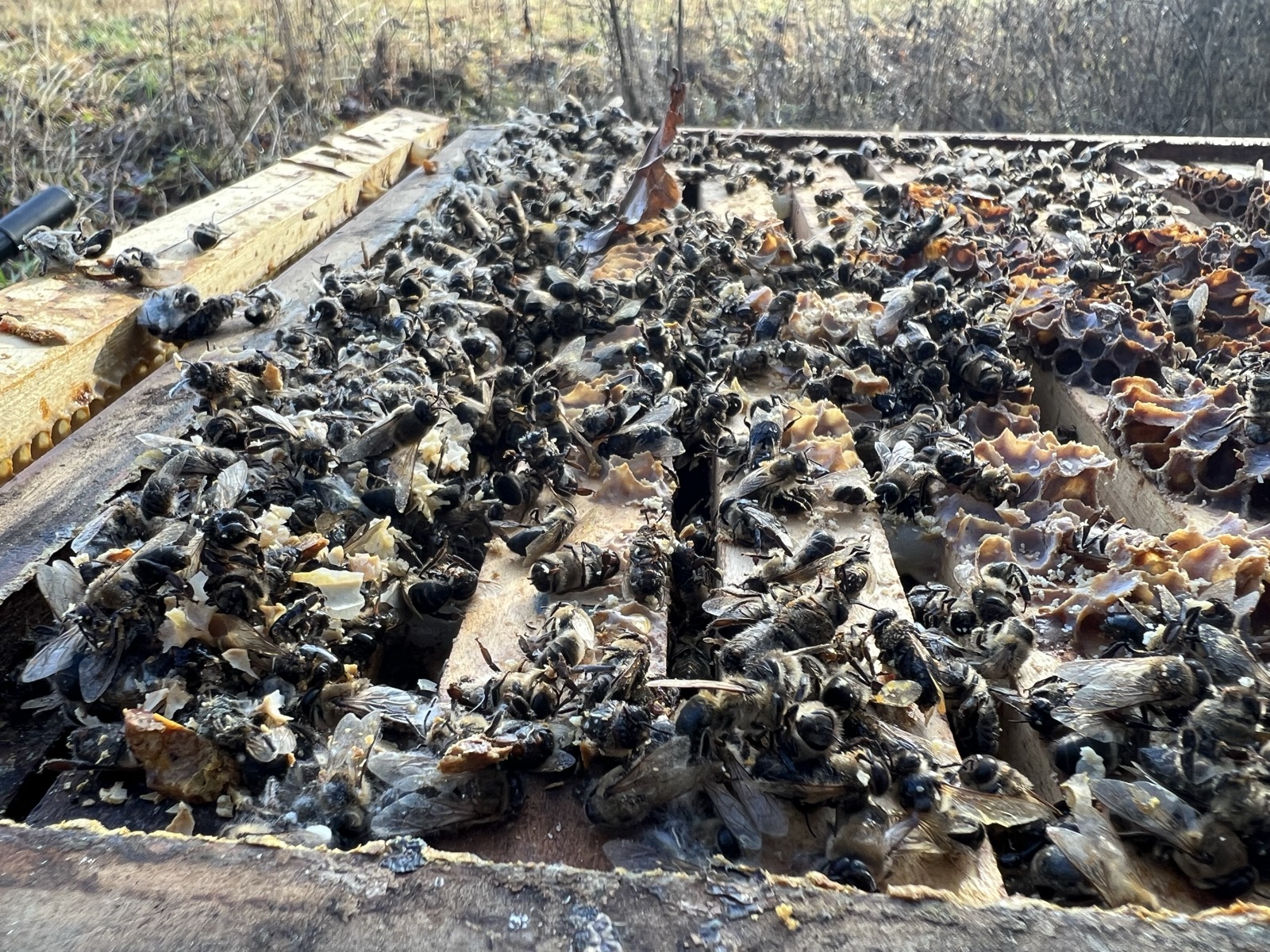
When the lab result arrives, people often look for a clear “good” or “bad” number. But it’s not that simple. The lab reports the number of Varroa destructor mites in the sample. If your sample comes from several colonies, you have to recalculate per colony. This is where many misunderstandings happen. A finding of twelve mites may look alarming, but if the sample is from six colonies, that’s actually two mites per colony. Conversely, eight mites from two colonies mean four per colony, which is worse.
In the Czech Republic, an average around three mites per colony is usually considered the threshold to be alert and take action according to local rules. For exact interpretation, consult what applies in your area. If the average is higher, take it as a warning and rather consult colleagues or a vet so that spring doesn’t catch you off guard.
Practically, you can divide it like this:
- Zero or very low finding is reassuring but doesn’t mean the problem is gone. Mites may already be hiding in brood, and the debris mainly shows what has already fallen.
- Borderline finding indicates that caution is needed. For such colonies, I recommend monitoring spring inspection, colony strength, and further monitoring.
- Higher finding is a clear signal for intervention according to the rules – not internet advice, but approved procedures.
Why caution? Because winter debris is a feedback report. Rosenkranz, Aumeier, and Ziegelmann warn that mite numbers change quickly, especially with brood emergence. Minnesota Extension states it’s better to watch trends throughout the year rather than rely solely on the winter reading. The Honey Bee Health Coalition therefore recommends combining winter debris with other monitoring methods during the season.
Important: the winter debris result mainly concerns varroa. American foulbrood or brood rot do not respond to low mite numbers. Beentry’s February data record 355 cases of American foulbrood and 121 of brood rot. This is not official statistics but shows that the health of the colony doesn’t rely on just one number from the debris.
What to do with the winter debris result and how to avoid mistakes
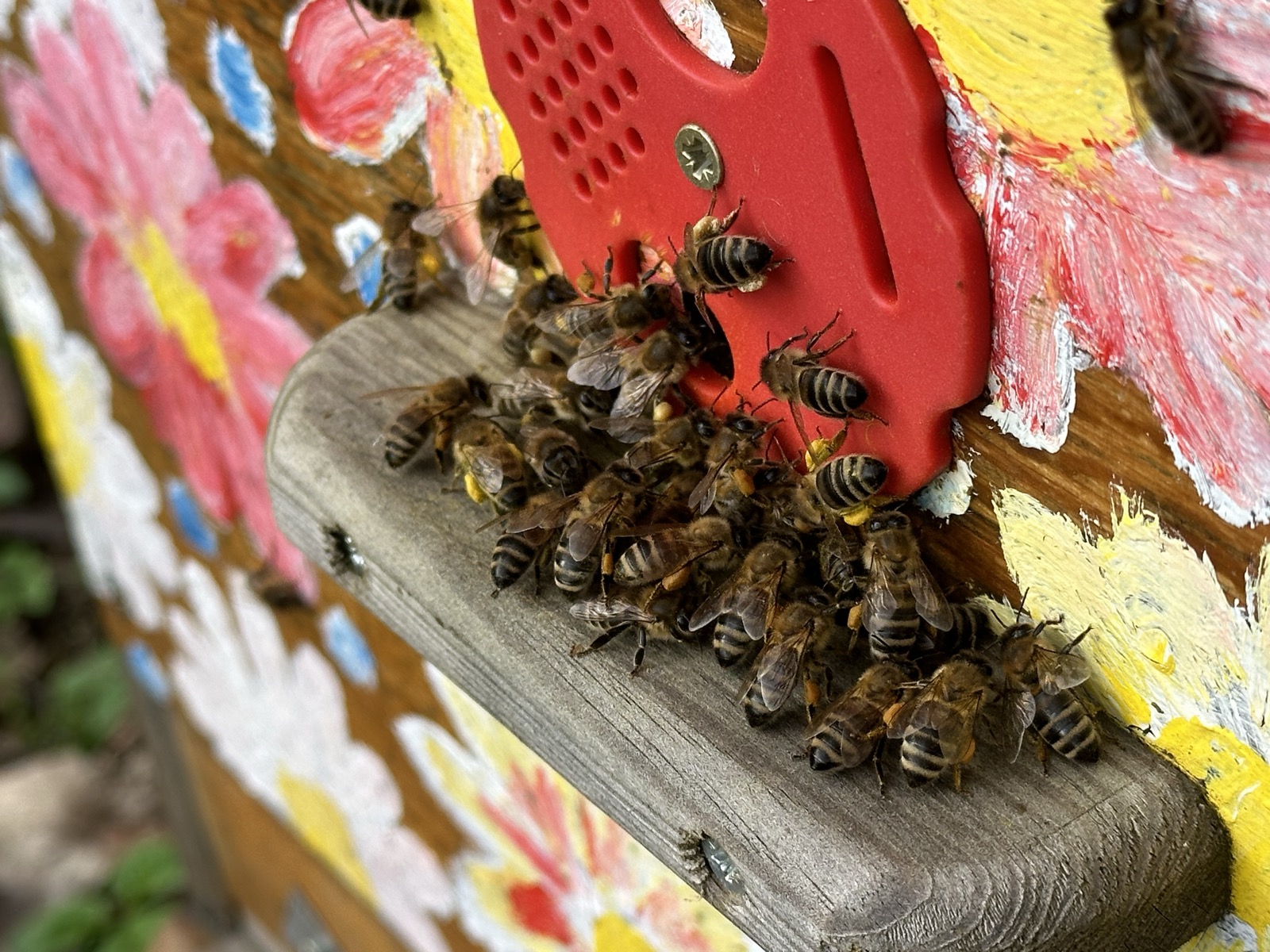
When you have the result, do three things: record it, compare it with the state of the colonies, and find out if any mandatory rules apply where you are. This sequence really pays off. Many mistakes come from seeing a number, recalling a neighbor’s advice, and immediately acting – often unnecessarily or too late. Debris usually indicates whether you have a strong colony or if wintering wasn’t ideal, and that a quick spring check is needed.
A low finding doesn’t mean varroa can be postponed until May. On the contrary, it’s the ideal time to prepare spring monitoring and plan the first inspection. If the finding is higher or borderline, follow local rules. Sometimes spring intervention is necessary – such as brood coating or another approved procedure. Absolutely no “do-it-yourself.” Medicines, dosage, timing – all according to the rules. Notes like “March 5 brood coating,” “60% formic acid gel,” or “aerosol” only make sense if you know why and how.
A simple breakdown helps:
- Low finding: record it, monitor supplies, prepare spring monitoring, and keep varroa under observation.
- Borderline finding: consult your local rules, combine the result with overall colony condition, and plan a quick inspection.
- Higher finding: immediately consult your organization or vet; do not rely on spontaneous resolution.
- Suspicious signs: weak colony, large losses, soiled entrances, nervousness, or odor should be dealt with separately, independent of varroa.
Common mistakes? Late collection, damp sample in plastic, unreadable label, wrong mixing of samples, and the usual slip-up – not counting the number of colonies in the sample. Also, mistakes after receiving the result: reckless treatment, ignoring weak colonies, or not recording anything. Records turn a boring number into a useful tool. In Beentry, it pays off to maintain health monitoring, statistics, and alerts for disease and interventions. And when you need quick advice, AI can help – but rather as a counselor, not a substitute for a vet.
Why winter debris isn’t enough: what to watch directly at hives in February
February is a bit of a special month. You don’t want to disturb the bees too much but also can’t leave things unattended – stores thin out, brood begins, and errors add up quickly. Therefore, it’s better to see winter debris as just one piece of the puzzle. Beentry’s data confirm that in February we most often record fondant feeding, storage frames, pollen bringing, queen inspection, winter flight, and number of occupied spaces. These decide how March will go.
When bees bring pollen in February, it’s both a good and warning sign – it shows they are active and brood is ramping up, which means varroa levels increase. Don’t expect a shortage of stores in February before the calendar spring arrives. It’s better to add fondant or work with storage comb immediately. These steps often help more than the general “don’t disturb the hive in winter.” And don’t forget to watch how many spaces are occupied – two or three is different from six or seven. A number on paper tells you little alone, but in conjunction with winter debris it does.
Long-term data are truly invaluable. When you carefully record stores, colony strength, spring development, and summer drop over years, you start to see connections that you wouldn’t easily spot in your head. Here, app features are very handy: voice notes in the field, managing hives by apiary, health monitoring, statistics, and yield tracking. By the way, February’s data even include six honey harvests with an average of 42.3 kg per harvest and a total of 254 kg – a somewhat humorous reminder that without careful records, people tend to make up stories.
If you want to go beyond winter debris, check out other articles and practical beekeeping tools. The more you combine lab results with hive observations, the less spring will surprise you.

Winter debris is the beginning, not the end
Clearly, submit winter debris on time, usually by mid-February, but always according to local rules. Collect dry and properly labeled debris, and read the result in a broader context – not just the numbers in the protocol but also colony strength, stores, brood onset, and other inspections. Only like this will you get a useful tool from the result instead of a scarecrow.
Want your deadlines, health monitoring, and apiary history all neatly together? Try Beentry – it works on the web and in the App Store or Google Play. Voice notes right at the hive, apiary overviews, statistics, alerts, and quick access to last year’s activity are all useful. In spring, details decide, so watch them carefully in February ahead of time.
Sources and literature
- State Veterinary Administration of the Czech Republic — Methodology for animal health control and mandated vaccinations, SVS. link
- Dietemann, V. et al. — Standard methods for varroa research, Journal of Apicultural Research, 2013. link
- Rosenkranz, P., Aumeier, P., Ziegelmann, B. — Biology and control of Varroa destructor, Journal of Invertebrate Pathology, 2010. link
- University of Minnesota Extension — Varroa mites and honey bees, University of Minnesota. link
- Honey Bee Health Coalition — Tools for Varroa Management, Honey Bee Health Coalition. link

Beekeeper and biologist. She focuses on colony health and contributes articles about diseases, prevention and treatment for Beentry.