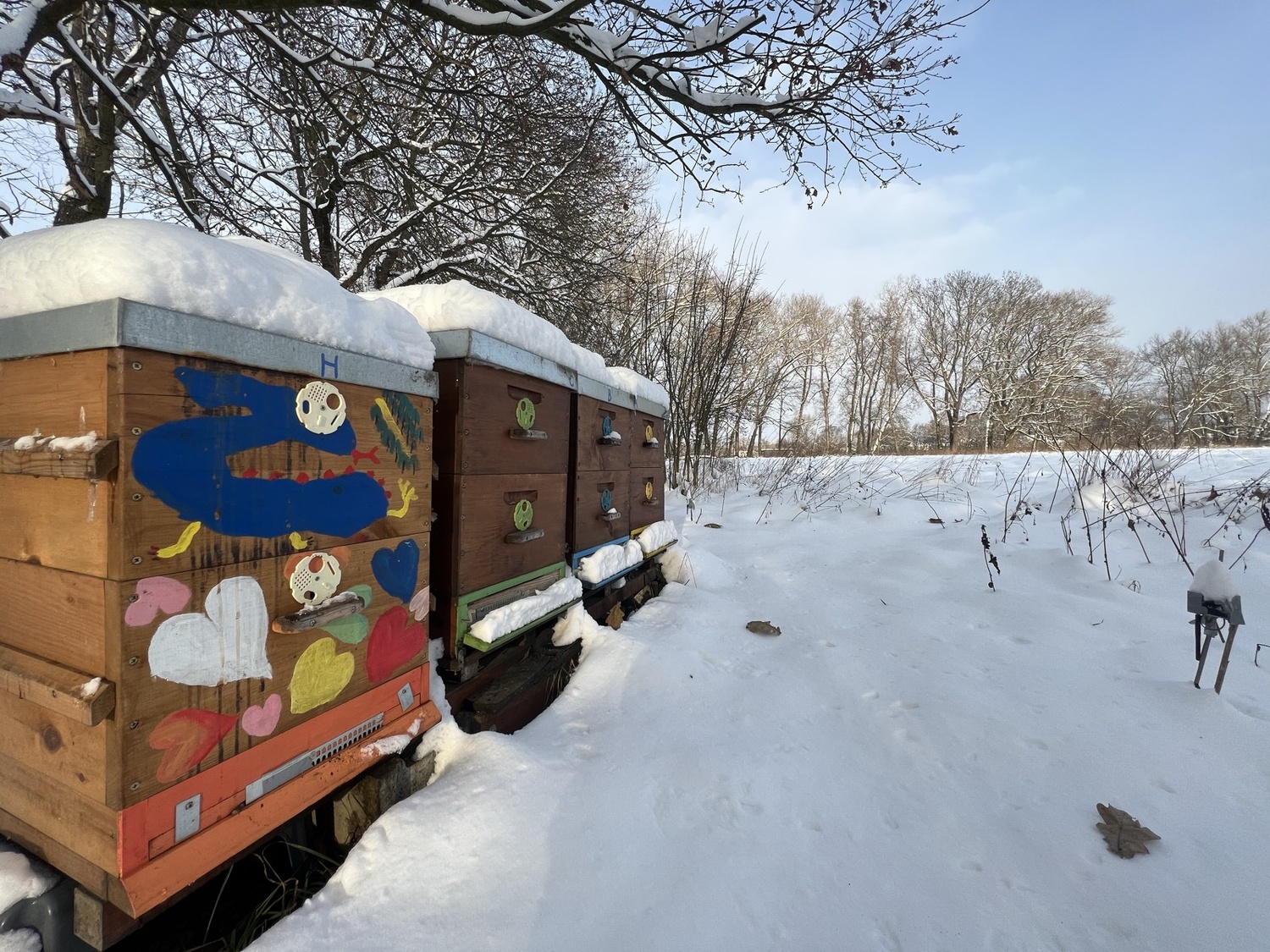
It is January, the snow crunches underfoot, the hives are as silent as a church, and the apiary looks as if time has stopped for a moment. Yet this is exactly when work of great importance begins: knowing how to correctly collect winter debris for varroa examination so that the laboratory results truly help and are not just a meaningless number.
Winter debris is almost routine for us. We remove the bottom board, collect some debris, and send it for examination. But there is a big difference between a carefully collected sample and one picked up carelessly. The first will give you a clear picture of mites and the condition of the colony, the latter can be ruined by moisture, old dirt, or poor timing of collection.
The procedure may vary slightly depending on the laboratory or veterinary instructions, but the basics remain the same: the sample needs to be clean, dry, correctly labeled, and most importantly, collected during the period when winter debris monitoring makes sense.
Why winter debris in January is so important for varroa
It all depends on the life cycle of the mite Varroa destructor. When bees have little or no brood, the mites are mainly on the bodies of bees, not inside the brood. Therefore, right now is ideal for monitoring mite drop after treatment and during winter. Research by Rosenkranz and others confirms that the effectiveness of winter treatment depends on whether the colony truly has no brood. Nazzi and Le Conte emphasize that timing is as important as the treatment itself.
But beware, winter debris is not a magical indicator. As Dietemann et al. say, it is primarily a monitoring tool. It helps greatly to orient yourself and observe trends during winter but cannot replace spring and summer checks. It simply won’t tell you everything but can reveal where you made a mistake in autumn.
It’s no coincidence that January in Beentry is full of debris records. Over the years, we’ve had more than 3,300 January inspections, most often tracking mite fall, the number of occupied bee spaces, bottom board cleanliness, or winter flights. That’s the right kind of work in January – not disturbing the hives but listening to what the bees tell you themselves.
You should take winter debris seriously, just like honey harvest or starting nucleus colonies. If done properly, you have one of the cheapest and easiest ways to check the health status of your bees. And the sample often tells you more than just about mites. Based on how wax flakes, dead bees, or debris are scattered on the bottom board, you can judge how restless the wintering is and how tightly the cluster is packed.
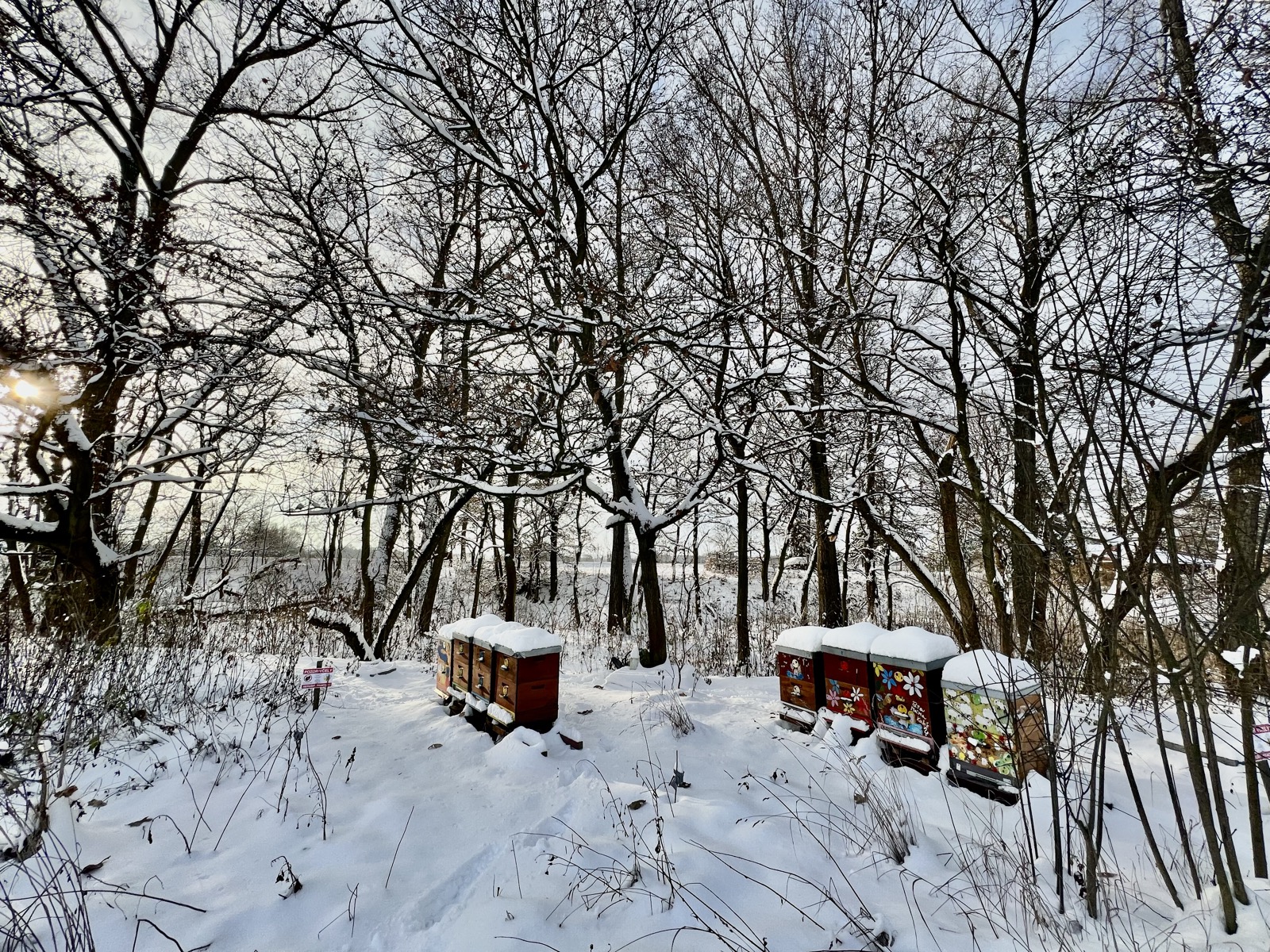
How to properly collect winter debris and when
First rule: don’t collect the sample carelessly! Sampling must follow winter treatment and be done when debris accumulates on the bottom board without unnecessary disturbance. Always check the timing according to your lab, as conditions may differ. The best time is a calm, cold day when you don’t disturb the bees and won’t need to open the hive too much.
Remember to prepare a few things in advance:
- a clean, dry bottom board or tray from which you will collect the debris,
- a dry spatula, plastic card, or spoon for collecting the debris,
- a paper bag, envelope, or box that breathes,
- a marker for labeling the sample,
- disposable gloves if you want to avoid contamination,
- a list of hives or apiaries to avoid confusion.
Plastic bags are okay but only if the debris is completely dry. Otherwise, the sample will become damp, which the lab will have trouble with. Paper is the safest option in most cases. Also decide if you will mix samples. If the lab requests one sample per apiary, stick to that. If it requires samples from individual hives, do not mix them.
Don’t forget to include all important details on the sample – how many colonies, where the sample came from, whether it is mixed or individual. In January, all bags look very similar, and without a label, it’s hard to tell which are yours.
In January you can also estimate the number of occupied bee spaces, which significantly helps in assessing colony strength. Even if you don’t open the hives as in spring, this indirect method has its value. If you write it down right away, in spring you’ll have everything neatly at hand.
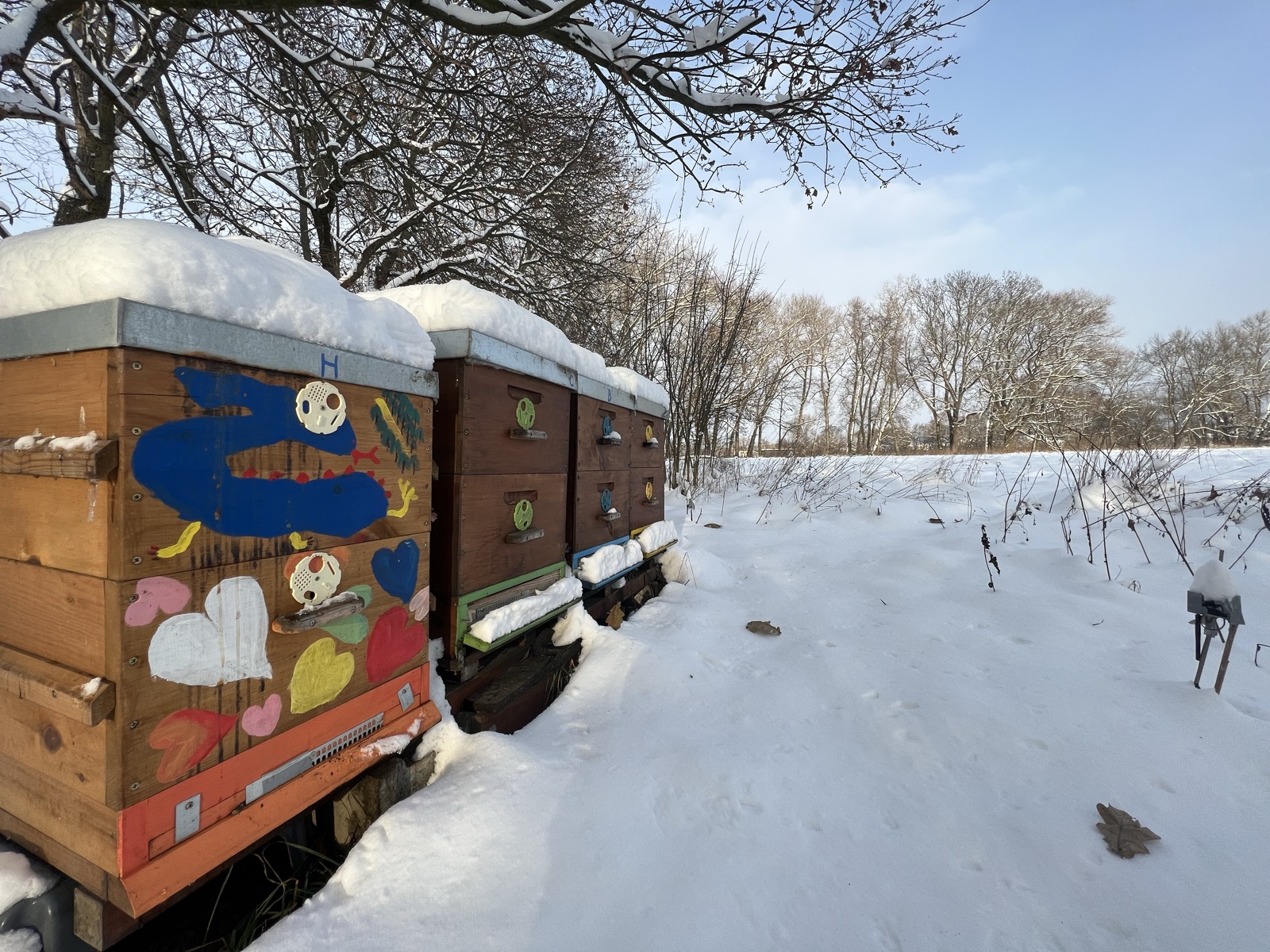
Step-by-step winter debris collection procedure
Here is a reliable procedure that works for most common box hives. Of course, local methodologies always take precedence over what your neighbor does.
- Make sure you collect the sample at the right time. The bottom board should be clean since the last winter treatment. If unsure, check before sending a wrong sample.
- Choose a calm, dry day. It doesn’t have to be windless, but avoid thawing, rain, and unnecessary disturbance. Open the hive only as much as necessary and collect the sample from the bottom board, not the frames.
- Remove the bottom board slowly. If you bang or pull it out abruptly, debris may become airborne and you will have less of it. You need the whole sample.
- Remove larger debris. Dead bees, wood pieces, or large chunks of wax should be set aside. The sample should include fine debris, wax flakes, and of course mites. If unsure, follow your lab’s instructions.
- Simply pour the debris into a dry container. A paper envelope or box is safest. When collecting a mixed sample for an entire apiary, mix only hives from the same location and sampling time.
- Label each sample immediately. Include name, location, number of colonies, date of sampling, and date of last treatment. A vague description like “apiary by the woods” can cause confusion if you have two similar bags.
- Let a damp sample dry slowly in a cool place. Do not dry it on a radiator or in the sun. Once dry, send it to the lab as soon as possible.
- Treat colonies with problems separately. If you have many dead bees, signs of diarrhea, or moldy smell in a hive, don’t mix the sample with others. First, check what your organization or vet recommends.
If you have a screened bottom board without a tray, that is a lesson for next time – it’s hard to get a representative debris sample in January without a clean bottom board. Also watch out for contamination by mice or condensation.
Digital records really make sense today. In Beentry, you can add a sample number, voice note, bottom board photo, and health report to the hive. When lab results arrive, you can easily link them to the specific sampling without guessing what is what.
Most common mistakes in winter debris collection that distort results
Most problems with results are caused by issues at your end, not the lab’s. A few small things can ruin a good sample. Here are the most common mistakes I see:
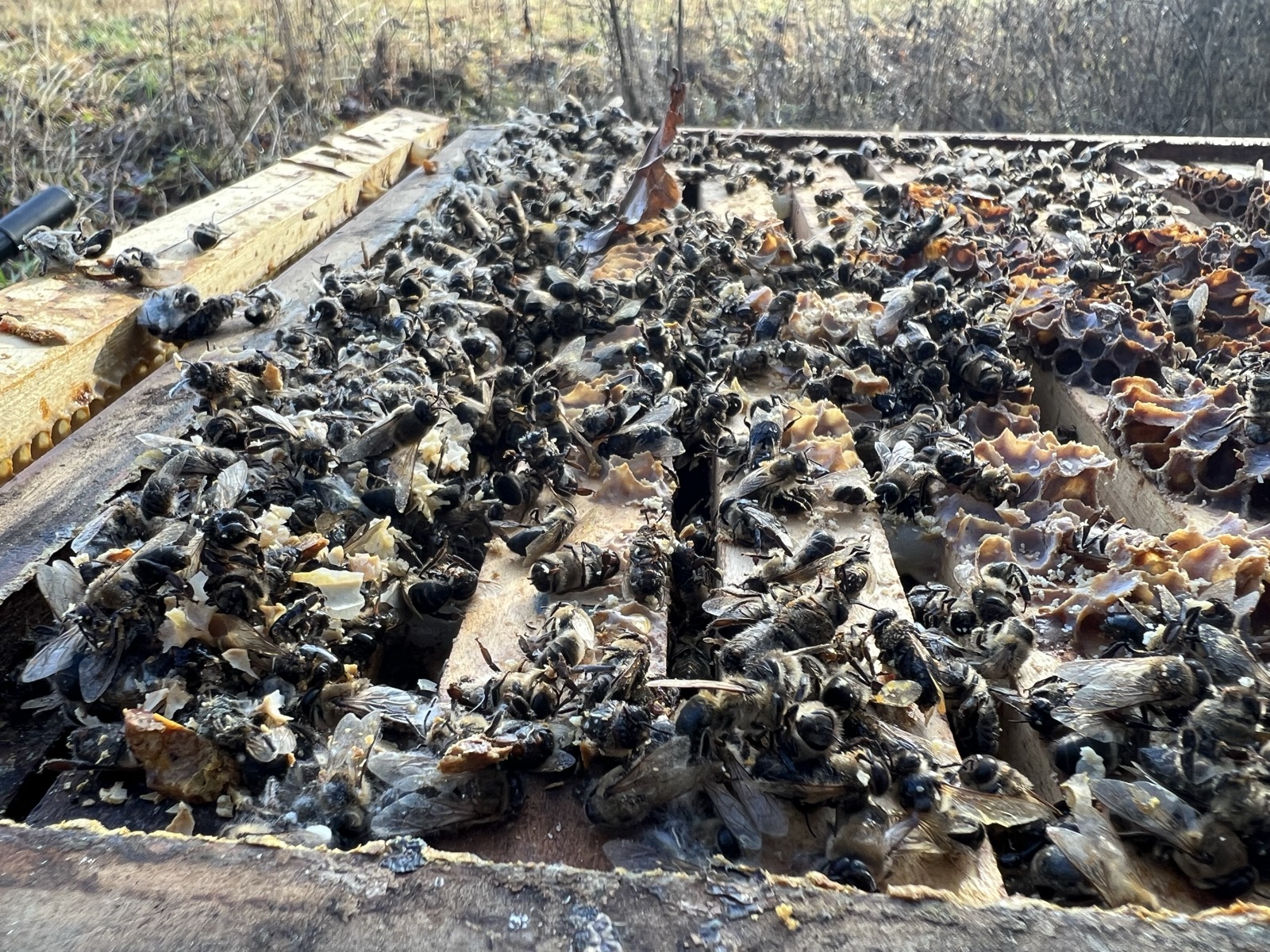
- Old uncleaned debris. If you don’t clean the bottom board well before sampling, you mix data from many weeks or months. The result won’t reflect the current situation.
- Moisture. Wet debris molds, sticks, mites are hard to see, and it distorts the sample weight.
- Mixing samples from different locations. One bag for two apiaries causes confusion. If the problem is only in one apiary, an average taken from both dilutes the issue.
- Poor timing. Sampling too soon after treatment may falsely show low mite fall, while sampling too late may be misleading because brood is already present.
- Overreliance on a single number. Varroa requires tracking details and trends over time, not just a one-time measurement. Without regular monitoring, you have only half the picture.
- Unnecessary hive inspections. In January, you won’t gain much by opening the hive; the sample should be taken as quickly, calmly, and without breaking the cluster.
Be careful also with colonies that were heavily infested or treated hastily in autumn. Higher mite fall in winter can mean treatment worked but also that mites were so numerous it was a close call. Without previous data, it’s hard to tell.
That’s why having long-term records is really helpful. If you only occasionally jot something down in a calendar, it won’t help much. But if you keep detailed records every year, you’ll see if the problem recurs, which colonies are affected, or if it relates to the type of treatment. If you wish, check out other articles about monitoring bee health and keeping records.
What to do after submitting the sample and how to read the results
Once you send the sample, your work is not done – the important part begins: understanding the results. It makes no sense to look at numbers without knowing the situation at the site. How many dead bees were under the bottom board? Was the cluster calm? Was the bottom board dry? Were there winter flights? How strong was the colony based on occupied bee spaces? Without this information, even an exact mite count is only half the story.
Low findings are good news but definitely not a reason to ignore varroa all year. According to Dietemann and the Honey Bee Health Coalition, monitoring is an ongoing process. In spring and during the season, supplement monitoring with more precise methods, like washes. Winter debris is a great start, but not the end.
If the count is high, don’t panic or immediately turn to chemicals. First ask yourself a few questions:
- Was the bottom board truly clean when you collected the sample?
- Was the sample dry and well collected, not mixed?
- Was it a mixed or individual sample?
- Was autumn treatment done at the right time?
- Is there a strong reinvasion from nearby apiaries?
Results should not be lumped together – don’t blindly compare them between different labs or times when different sample types were sent. The important factor is not just one figure but the trend over time and the context of autumn care.
When you have all this, only then consider next steps – according to local customs, veterinarians, or your own spring plan. Everyone agrees that numbers make sense only when you work with them. For example, you might check colonies earlier, monitor brood development, or better assess the effect of autumn interventions.
You can also learn things from the sample that the lab does not report. Many wax cappings can indicate cluster movement, increased dead bee fall warns of weakening, and suspicious spots on the bottom board may alert to moisture or digestive problems. In January, it is clear that a good beekeeper is not the one who frequently takes the hive apart but the one who can read subtle signals.
How to make winter debris collection part of your regular routine
The greatest power of sampling is not in one bag but in what you do with the results afterward. If you collect something differently every year, record it differently, and never connect the dots, it is hard to see trends. But if you standardize data, varroa starts to make sense. Sometimes higher mite fall follows weaker treatment; other times the problem is only in one apiary; or it’s due to late brood… you can’t keep all of that in your head, but your records can.
That’s why it’s good to approach sampling systematically. Beentry has over 145,000 records, and it’s clear that the best data are not the most perfect but the regular ones. For winter debris, you can record the bottom board cleaning date, sampling date, mite fall, dead bees, number of occupied bee spaces, and your own health assessment. Voice notes come in handy when your hands are busy. Statistics then show development at the hive, apiary, and season level. The same system is useful for monitoring feeding, treatments, or honey harvests – all together it makes sense.
With digital tools, you can capture even the daily "chaos." Alongside standard data, you can have notes like “10.3. debris check,” “1 spring inspection,” “60% formic acid gel,” “3 kg leakage,” or technical codes like “39x17.” That’s fantastic – varroa never comes alone; everything is connected with what happens before and after.
Even “No activity” is useful. When you know the hive was calm in January but problems still appeared, that carries more weight than in a hive with frequent interventions or restlessness. In Beentry, you can then review hive management, health monitoring, threat alerts, and an advisor who helps put things in context. And if you want to expand your methods, you’ll also find beekeeping tools and more articles there.
Conclusion: correct winter debris sampling will save you many troubles in summer
Winter debris collection may seem trivial, but it is truly one of the smartest and cheapest ways to monitor varroa. If you collect a sample on time, from a clean bottom board, dry, without mixing locations, and with careful labeling, you have a reliable figure. If you do it poorly, you end up with just a number and unnecessary worries.
Want to keep winter debris sampling, lab results, voice notes, health monitoring, and long-term statistics all in one place? Try Beentry on the web, in the App Store, or Google Play. Check out the app features, browse the pricing, and ease your winter and spring this year.
Sources and literature
- Vincent Dietemann et al. — Standard methods for varroa research, Journal of Apicultural Research, 2013. link
- Peter Rosenkranz, Pia Aumeier, Bettina Ziegelmann — Biology and control of Varroa destructor, Journal of Invertebrate Pathology, 2010. link
- Franco Nazzi, Yves Le Conte — Ecology of Varroa destructor, the major ectoparasite of the western honey bee, Apis mellifera, Experimental and Applied Acarology, 2016. link
- Honey Bee Health Coalition — Tools for Varroa Management: A Guide to Effective Varroa Sampling & Control, Honey Bee Health Coalition. link
- Keith S. Delaplane, Johan van der Steen, Ernesto Guzman-Novoa — Standard methods for estimating strength parameters of Apis mellifera colonies, Journal of Apicultural Research, 2013. link

Beekeeper and biologist. She focuses on colony health and contributes articles about diseases, prevention and treatment for Beentry.