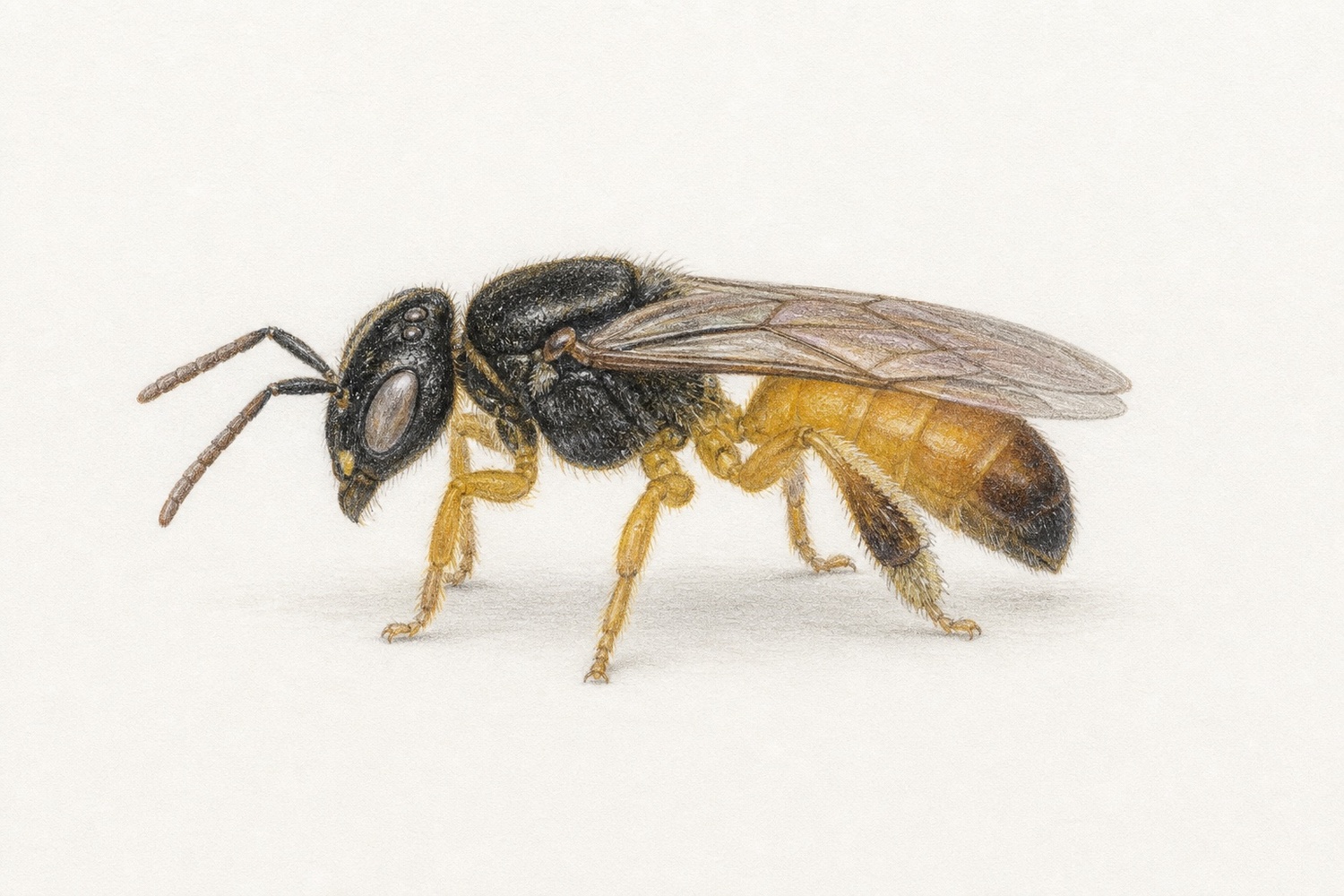
When you say bee, most people imagine Apis mellifera and a sting best avoided. But in the tropics, there is a whole group of bees that do not have a functional sting and yet collect honey. They are called stingless bees, and their keeping has its own name in Brazil: meliponiculture.
For a beekeeper used to Apis mellifera, it is a different way of keeping bees. In Brazil, it also continues a tradition, local economy, and the protection of native pollinators.
What is meliponiculture
Meliponiculture is the keeping of stingless bees from the tribe Meliponini. It is not one species, but hundreds of species mainly widespread in tropical America. Indigenous peoples kept them long before Europeans arrived, and honey and wax from them were important raw materials. This tradition never died out and in recent decades has been experiencing a great comeback, from rural meliponaries to urban rooftop keepings.
Why Brazil specifically
Stingless bees are native species of Brazilian nature and have long been adapted to local plants. They contribute to pollinating a large part of the native flora, sometimes more effectively than the introduced Apis mellifera. This is connected with a cultural dimension and growing demand for their honey. That is why meliponiculture in Brazil is an independent field with its own infrastructure, rules, and market.
Most well-known species
Each region has its favorite species. The choice mainly depends on what is native to your area.
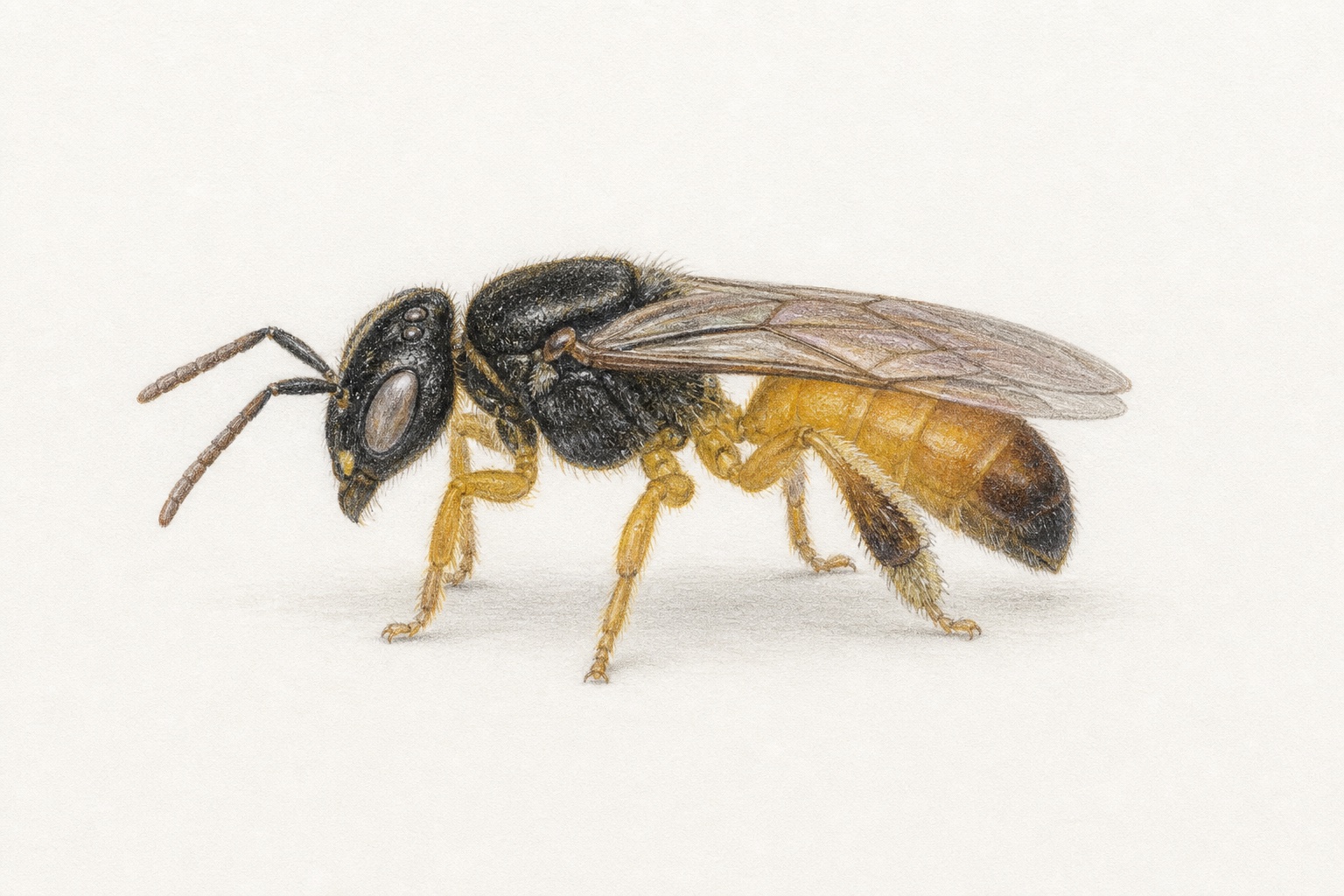
Tetragonisca angustula
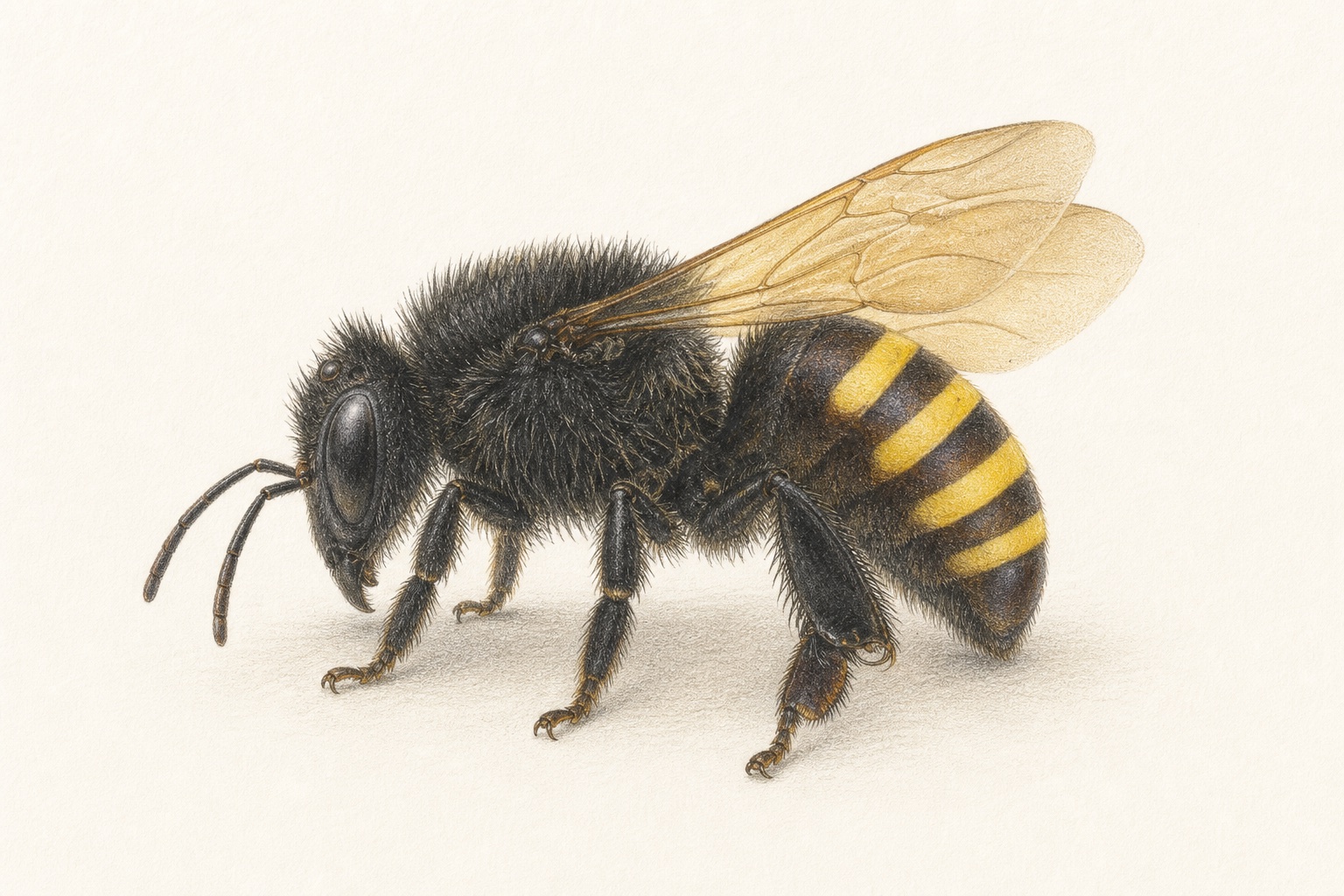
Melipona quadrifasciata
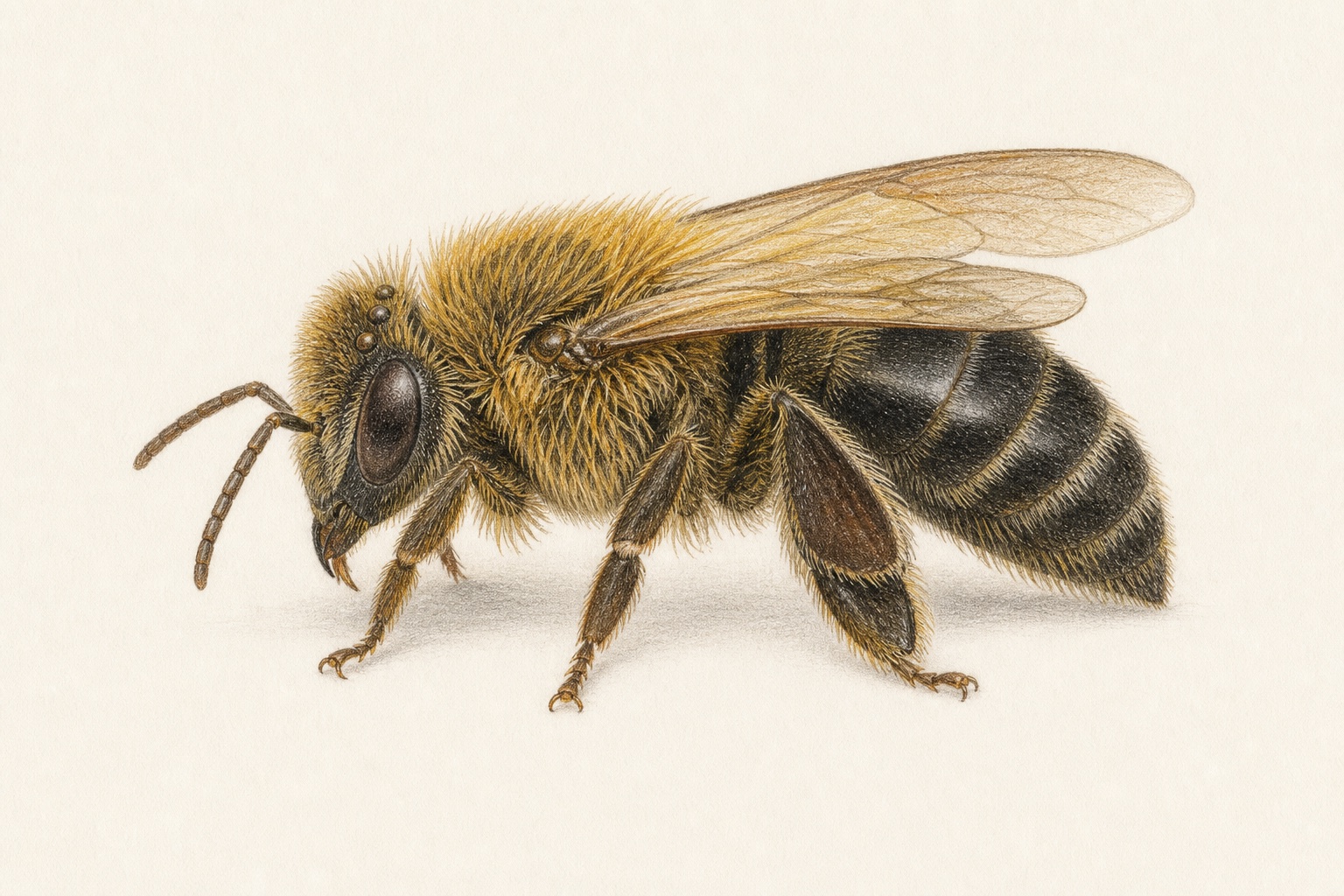
Melipona scutellaris
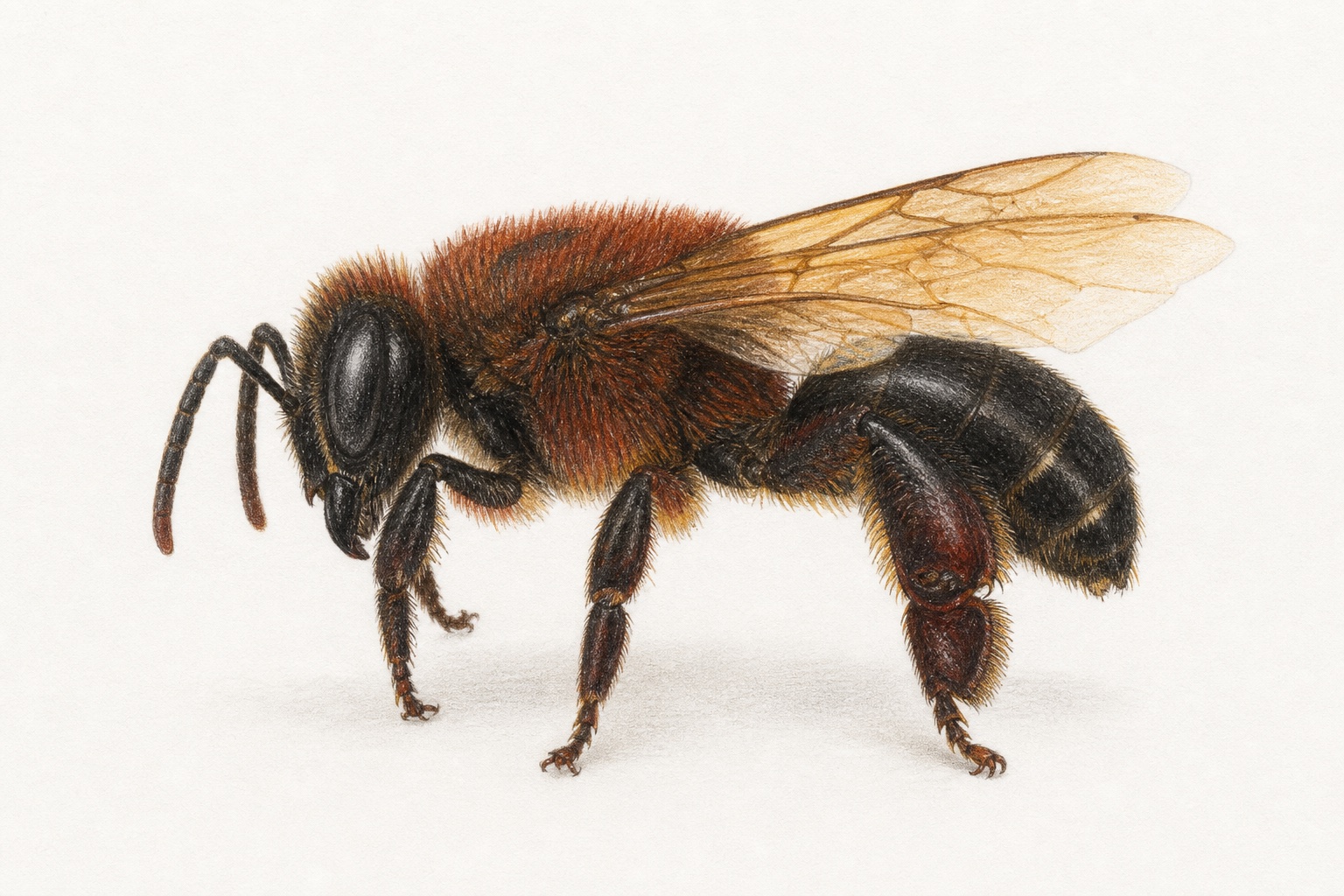
Melipona subnitida
| Common name | Scientific name | Characteristics |
|---|---|---|
| Jataí | Tetragonisca angustula | Small, calm, popular in cities, mild honey. |
| Uruçu (uruçu-nordestina) | Melipona scutellaris | Larger species, valued honey producer. |
| Mandaçaia | Melipona quadrifasciata | Valued for both honey and pollination. |
| Jandaíra | Melipona subnitida | Typical for the northeast and caatinga. |
How it differs from Apis mellifera keeping
There are more differences than just the missing sting. Stingless bees build their nests differently: the brood area forms horizontal discs or combs, while honey and pollen are stored in separate pots made of cerumen, a mixture of wax and resin. They are kept in rational wooden hives that facilitate inspections and divisions. Colonies reproduce by gradually founding a daughter nest, which is initially connected to the mother colony, rather than a quick swarm departure as in Apis mellifera.
The biggest practical difference, however, is safety. With calm, commonly kept species, a meliponary can easily operate even in a small garden or city, because the bees do not have a functional sting. The species and location must be chosen according to local conditions.
Honey counted by teaspoons
Those expecting yields like from Apis will be surprised. Stingless bees produce much less honey, but it is very prized. It has a stronger taste, a different composition, and is often sold as a premium specialty. The combination of small volumes and high price makes meliponiculture an interesting business where keeping track of how much each hive produces pays off.
Rules and nature protection
Keeping stingless bees is legally regulated in Brazil. The current federal framework is based on CONAMA resolution no. 496/2020, which replaced the older resolution no. 346/2004. The key rule remains: keep species native to your region and do not transport them outside their natural range, to protect biodiversity. For commercial or larger meliponaries, it is also necessary to verify authorization with the relevant environmental agency and registration in CTF/APP with IBAMA. Before you start, check the current conditions in your state.
How to manage your meliponary in Beentry
Meliponiculture differs from regular beekeeping, but here too you need an overview of where each hive is located, its condition, and how much honey it has produced. In Beentry you manage individual sites and hives, record inspections and divisions, track yields, and have everything clearly in one place, on mobile and on the web. Whether you have three Jataí hives in your backyard or dozens of colonies in a commercial meliponary, you can customize the records to fit your keeping.
Manage your meliponary smartly
Try it for free, on mobile and on the web. Overview of hives, inspections, and yields in one place.
App Store · Google Play · Try for free
Sources and references
- Embrapa, Meliponicultura a criação de abelhas sem ferrão. embrapa.br
- CONAMA, Resolution no. 496/2020 (management and use of native stingless bees). gov.br/mma
- IBAMA, Breeding and use of native wildlife fauna. gov.br/ibama